ICU Ventilator in Ghatkopar: What Families Should Know
The doctor says the word "ventilator", and your stomach drops. Most families feel the same way. An ICU ventilator in Ghatkopar is a machine that helps patients breathe when their lungs cannot manage on their own. It sounds scarier than it usually is. This guide explains it in plain words so you know what to expect. If you have questions about critical care, the ICU team can walk you through your case.
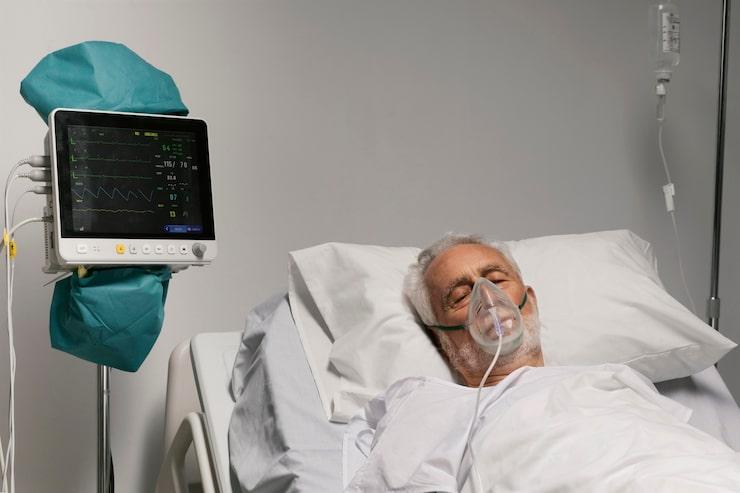
What Is an ICU Ventilator in Ghatkopar and When Is It Used?
The ventilator can be likened to a device that helps pump air into the lungs and expel it. The need for a ventilator arises in situations like:
-
Severe lung infections
-
Major surgery
-
Serious injury
-
Heart or lung failure
A patient on a ventilator is watched around the clock by trained staff. Being on one does not mean there is no hope. For many patients, it is temporary support. The machine handles the breathing while doctors treat the actual problem and give the body time to heal.
How Does a Ventilator Work?
A soft breathing tube or a mask links the machine to the patient. The machine delivers breaths at a level the doctors choose, and they keep adjusting it depending on how well the lungs are doing.
The care team also:
-
Gives medicines that keep the patient calm and comfortable
-
Clears mucus from the airway
-
Changes the patient’s position to prevent bedsores
-
Checks that the tube stays in place
Nurses and doctors check the readings many times a day.
How to Pick a Good ICU in Ghatkopar
When everything feels overwhelming, how do you judge an ICU? A well-run ICU in Ghatkopar usually has:
-
Intensive care doctors and nurses available 24 hours a day
-
Modern monitors and ventilators
-
Clear infection control steps
-
Open and clear talks with relatives
-
Quick access to scans, lab tests, and specialists
Machines are vital, but the operators of these machines are even more important. An expert crew that notices minor problems in advance will be able to avoid major troubles in the future.
How Is Heart Attack Treatment in Ghatkopar Related to the ICU?
A severe heart attack usually requires intensive care. This patient will probably require:
-
Constant heart monitoring
-
Oxygen
-
Medicines through a drip
-
Sometimes a ventilator
In the ICU, the team can respond quickly if the heart rhythm or blood pressure changes. This is one reason heart attack treatment in Ghatkopar for severe cases is often planned in an ICU setting.
What Families Can Expect
Every hospital works a little differently. But in most ICUs, families can expect:
-
Regular updates from the doctors
-
Limited visiting hours to lower the chance of infection
-
Daily checks on whether the patient can breathe more on their own
-
A slow step-by-step process, called “weaning”, to come off the machine
Weaning is done gradually. The doctor lowers the machine’s support bit by bit and watches how the patient copes.
Questions Worth Asking the ICU Team
Stress makes everyone forget things. Write your questions down before you speak to the doctors.
You could ask:
-
What is the main problem right now?
-
What will the next 24 hours look like?
-
Which signs would show improvement?
-
When will the ventilator be reduced?
-
How will you update us each day?
While you decide on an ICU in Ghatkopar, pay attention to how simply and clearly the team replies. It’s also fine to ask how they manage tougher cases, like heart attack treatment in Ghatkopar, where the patient needs help with breathing.
Don’t worry if the answer is “we don’t know yet”. That’s an honest reply, since doctors can’t always say how a patient will respond.
Taking Care of Yourself as a Family Member
Critical care can last days or weeks. It is hard on the people waiting outside too.
A few small things help:
-
Eat proper meals
-
Sleep when you can
-
Share the hospital visits with other relatives
-
Keep one person in charge of talking to the doctors
This way, the information you get stays clear, and nobody gets worn out.
Common Worries About Ventilators
Many families have the same fears. Here are a few that come up often.
1. Will my relative be awake?
Patients are usually given medicine to stay relaxed, so they may be drowsy or asleep. The level changes from case to case.
2. Can we touch or talk to them?
In most ICUs, yes. Many doctors say familiar voices may comfort patients. Ask the nurses how you can sit with your family member.
3. Does this mean the end is near?
Not at all. Many patients leave the ventilator and go on to recover. Outcomes depend on the illness, age, and general health.
Frequently Asked Questions
1. Is a ventilator uncomfortable?
Patients receive medicines to keep them comfortable, so most feel little distress. The team adjusts these medicines as needed.
2. How long do you need the ventilator at the ICU of Ghatkopar?
There is no specific time required. Some patients may need it only for a few hours, while others may need it for weeks.
3. What are the criteria for choosing an ICU in Ghatkopar?
Criteria include staff, equipment, cleanliness, and communication between staff and family members. If possible, pay a visit and make an inquiry.
4. Can patients talk while on a ventilator?
Mostly no, because the breathing tube is in the way. To understand what the patient wants to say, nurses often use hand signs, writing boards, or picture charts.
Final Thoughts
Critical care is frightening, but understanding it takes some of the fear away. A ventilator is a tool that supports recovery, and the care team around it matters just as much.
Keep asking questions, keep yourself updated, and don’t hesitate to take support from the people close to you. If you’d like to know more about an ICU ventilator in Ghatkopar, the hospital’s critical care team can tell you what applies to your family member.
Article Source-https://medium.com/@mundraparulsaurabh/icu-ventilator-in-ghatkopar-what-families-should-know-8efbb9ad3f26


Comments
Post a Comment