Malaria Treatment in Ghatkopar: Symptoms, Diagnosis and Care
The rains pour in, mosquitoes increase in number, and doctors' appointments pile up. Once again? Do you experience the same problem every year? Speed is crucial when battling long-term fever, but only the malaria treatment in Ghatkopar will allow you to heal fast and prevent you from being in a long hospital queue.
Are you feeling unwell and feverish? Tired of not feeling well all the time? Scared you might have something more serious than just a fever? Schedule a consultation with us right away.
What Is Malaria?
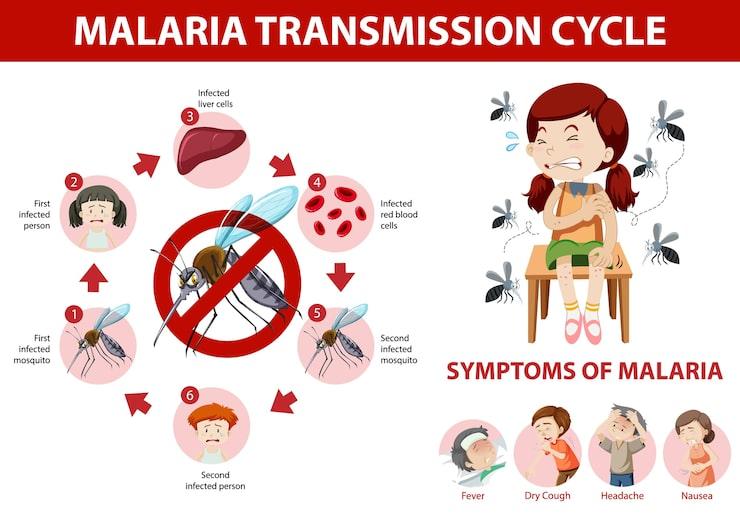
Malaria is caused by a parasite that is spread by female Anopheles mosquitoes. These mosquitoes lay their eggs in stagnant water, and since construction sites and uncovered tanks create stagnant water, that is why we often find malaria hotspots in construction sites and waterlogged areas.
It cannot be transmitted by contact with an infected person or by sharing a room with them. For the parasite to spread to a new person, a mosquito has to bite an infected person and then bite a new person. After the parasite enters the bloodstream, it goes to the liver and multiplies. When the parasite attacks and infects red blood cells, that is when a person starts to feel the symptoms of malaria.
Symptoms of Malaria
Malaria has typical signs and symptoms. Some are
-
Fever with chills
-
Uncontrollable Sweating
-
Headache and body ache
-
Nausea and Vomiting
-
Loss of Appetite and Weight Loss
Many people think the symptoms are caused by a simple viral fever and don't take it seriously. However, this can be very dangerous, especially for kids, pregnant women, and elders, and can easily turn very serious.
How Is Diagnosis Done in Malaria Treatment in Ghatkopar?
Malaria can be confirmed using one of several quick tests. Doctors might:
-
Perform a rapid diagnostic test. Similar to a home pregnancy test, this is a finger-prick test from which the doctor gets results in 15-20 minutes.
-
Look for parasites in the blood under a microscope. This is known as a blood smear.
-
Order additional blood tests to check haemoglobin levels and organ function.
Oftentimes, the blood smear determines the type of parasite, which consequently determines the treatment. This is why in Malaria Treatment in Ghatkopar, the first step is always a proper test, not an assumption.
What Kind of Treatment Does Malaria Treatment in Ghatkopar Provide?
When a person is diagnosed early, they can fully recover from malaria. The malaria treatment in Ghatkopar varies based on the parasite type, condition and health of the patient. Antimalarial medication is usually given for a couple of days under the supervision of a doctor.
Mild cases allow the patient to be treated at home. However, more severe cases can include persistent vomiting, confusion, and breathing problems, all of which require a stay at the hospital and the use of an IV.
It’s best to avoid taking leftover medications from a neighbour or purchasing medication online, as this can result in the parasite not being fully cleared, which would ultimately bring the illness back and make it worse. It is also important to finish all of the medication prescribed, even if a patient starts to feel better.
Is It Malaria, Dengue or Typhoid?
The three illnesses are known to have very similar symptoms, such as weakness, body aches, fevers, and a peak during the rainy season, which causes a lot of confusion when it comes to self-diagnosing.
A few symptoms can indicate a diagnosis:
-
Malaria: recurrent fever with chills and sweats
-
Dengue: severe joint and muscle pain with a rash and a falling platelet count
-
Typhoid: gradual rising fever with abdominal discomfort
A clinic which is experienced with malaria treatment in Ghatkopar would also be experienced with dengue treatment in Ghatkopar and typhoid treatment in Ghatkopar, as the first tests generally determine the diagnosis.
What About Dengue Treatment in Ghatkopar?
The Aedes mosquito spreads the virus, and like malaria, there is no specific antiviral treatment. Therefore, dengue treatment in Ghatkopar is also supportive care. This includes:
-
Plenty of fluids and rest
-
Paracetamol to relieve fever (Aspirin and ibuprofen are not advised as they increase the risk of bleeding)
-
Frequent blood counts to monitor platelet counts
-
Urgent care if bleeding gums, severe abdominal pain, or extreme drowsiness occurs
Typhoid Treatment in Ghatkopar: Another Fever to Watch
Typhoid fever is spread by food and water contamination. The fever gradually increases over a few days and is often accompanied by headache, loss of appetite, and diarrhoea or constipation.
A blood test can confirm it. Treatment is with antibiotics. Doctors who provide typhoid treatment in Ghatkopar will give advice on eating safe food and water and preventing an infection.
How to Protect Your Family From Mosquito-Borne Illness?
Treating mosquito-borne illnesses is undoubtedly inconvenient. The best way to protect your family is to prevent mosquito-borne illnesses. Some tips to help in prevention are-
-
Empty all waterlogged containers once a week.
-
Cover water tanks.
-
Spray a repellent.
-
Wear full sleeves at dawn and dusk.
-
Report stagnant water in your area.
FAQs
1. How long should I wait to get tested if I have a fever?
You should get tested if your fever lasts for more than 2 days and is accompanied by chills. Waiting to get tested for a week is not recommended.
2. Is malaria treatment in Ghatkopar able to be done as an outpatient service?
Mild cases can definitely be treated on an outpatient basis. Severe cases require hospitalisation.
3. Can typhoid be cured at home?
Although it can be fully cured at home with antibiotics, the patient should first be tested and evaluated at Typhoid Treatment in Ghatkopar.
4. Can malaria infection repeat again?
Yes, and past infection does not provide lifelong immunity, making repeated infection possible.
Conclusion
A fever during monsoon season deserves medical attention. Timely testing makes prescription medication and a full recovery, with just a short stay, away. If you need care for malaria, dengue, or typhoid, Ghatkopar Treatment Center can help. Don’t wait for your condition to worsen; contact us now for malaria treatment in Ghatkopar.
Article Source---https://medium.com/@mundraparul529/malaria-treatment-in-ghatkopar-symptoms-diagnosis-and-care-3bcc6826211e?sharedUserId=mundraparul529


Comments
Post a Comment