What to Know About Deep Vein Thrombosis Treatment in Ghatkopar
Imagine getting off a long flight and noticing that one calf feels puffy, warm and sore. Most of us would blame the tight seat. But if the swelling is still there after a day or two, please get it checked.
DVT, short for deep vein thrombosis, means a blood clot has formed in a deep vein, mostly in the leg. In this guide, you’ll read about the symptoms, the tests and what deep vein thrombosis treatment in Ghatkopar usually looks like. Seeing a doctor early can settle your worries.
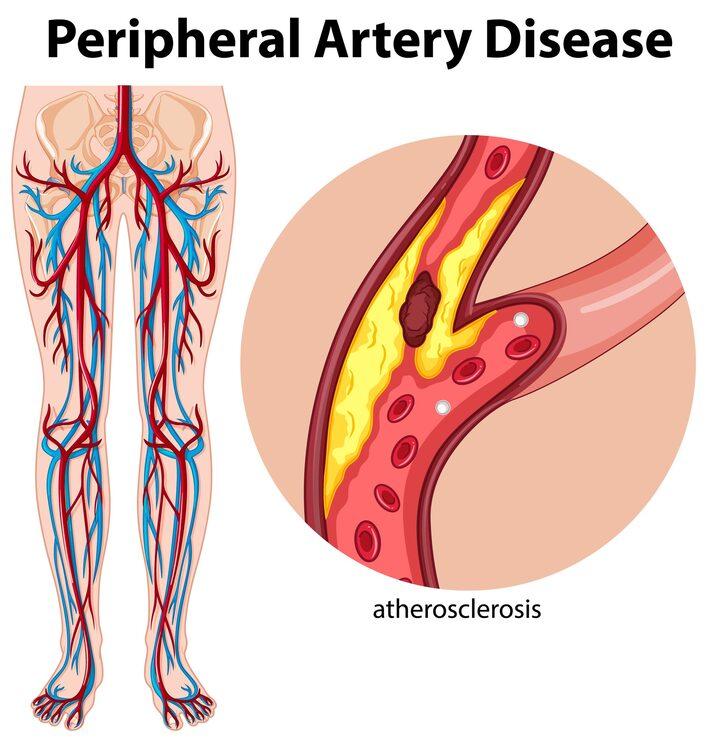
What Does Deep Vein Thrombosis Treatment in Ghatkopar Involve?
DVT usually shows up in one leg only. You may see swelling, redness and warmth, and the leg may hurt.
The real danger is that a small piece of the clot can break away and reach the lungs. That can cause serious trouble with breathing.
Treatment has three main goals:
-
Keep the clot from getting bigger
-
Reduce the chance of new clots forming
-
Ease the swelling and pain
Doctors mostly prescribe blood thinners, and some patients are also asked to wear compression stockings. Most people don’t have to stay in the hospital, but a severe case may need admission.
Who Is More Likely to Get DVT?
Some people are more prone to clots. The risk is higher if you:
-
Had surgery lately or were in bed for a long stretch
-
Sat for hours on a trip without moving
-
Smoke or are overweight
-
Have blood clots in your family
-
Are pregnant or just had a baby
DVT treatment in Ghatkopar is usually planned once the doctor has checked your symptoms and test reports.
If you suddenly get chest pain or find it hard to breathe, go to an emergency department immediately.
What Is the Function of Color Doppler Test in Ghatkopar?
Color Doppler examination is an ultrasound examination that helps visualise the blood flow in veins using sound waves. It lasts for about 30 minutes
There is no radiation and no injection. You just lie down while a technician glides a small probe over your leg.
A color Doppler test in Ghatkopar can tell you:
-
The exact spot of the clot
-
How large it is
-
How much it is blocking the blood flow
With these pictures, your doctor can pick the right plan for you.
Signs You Should Not Ignore
DVT can be sneaky, so keep an eye out for small changes:
-
One leg looks thicker than the other
-
A deep, cramp-like pain, especially when you stand
-
Skin that feels warm or turns red
-
Veins that look more prominent than usual
Not every swollen leg means DVT. Still, swelling on just one side is worth getting examined.
Why Does Early Diagnosis Matter?
A clot caught early is easier to treat. If you wait, it gets more time to grow or move.
Many people delay because the pain is mild. They assume it’s a pulled muscle or just tiredness after travelling.
Starting DVT treatment in Ghatkopar early may lower the risk of lung problems and long-term swelling in the leg. Your doctor can tell you whether you need a scan or can simply keep watch for now.
Steps in Deep Vein Thrombosis Treatment in Ghatkopar
Most people go through these steps:
-
Meet a doctor as soon as symptoms begin
-
Get a Doppler scan to confirm the clot
-
Take the prescribed medicine on time
-
Walk and move the way you are advised
-
Go for every follow-up visit
Sticking to deep vein thrombosis treatment in Ghatkopar helps keep clots from coming back.
What to Expect at Your First Visit
The doctor will ask about your symptoms, any recent trips or surgery, and the medicines you take. Then they will examine your legs and compare the two sides.
A colour Doppler test in Ghatkopar is often the first test suggested. Sometimes a blood test is added too.
Once the reports are in, the doctor will explain the plan in simple words. You can ask them:
-
How long you will need the medicine
-
Which side effects to look out for
-
When to come back for a review
It’s completely normal to have questions about DVT treatment in Ghatkopar. When you get clear answers, it’s easier to follow the plan.
How Long Does Recovery Take?
It’s different for everyone. Swelling and pain usually settle in a few weeks, but the clot itself takes more time to go away.
Most people take medicine for at least three months. Some need it for longer, depending on the cause and their overall health.
In the meantime, you can usually get back to light daily work. You may need to avoid heavy lifting or sitting for long hours, so check with your doctor about what is safe for you.
Preventing Clots in Daily Life
A few small habits can lower your risk:
-
Stand up and stretch every hour or two on long journeys
-
Drink enough water
-
Don’t sit in one place for hours
-
Keep moving after surgery, as far as your doctor allows
If your risk is on the higher side, your doctor may suggest compression stockings.
If you are already on DVT treatment in Ghatkopar, these habits will help you recover. You might also need another color Doppler test in Ghatkopar to confirm that the clot is getting smaller and the blood is flowing well.
Frequently Asked Questions
1.Can DVT go away on its own?
You shouldn’t wait and hope for that. Get checked, and the doctor will tell you if treatment is needed.
2.How soon should I see a doctor for DVT?
Right when the symptoms start. Even one swollen, warm or painful leg is reason enough to get examined.
3. Does a Doppler scan use radiation?
Nope. The scan works with sound waves, so there is no radiation at all.
4. Can I exercise with DVT?
Slow, easy walking is often a good idea. But check with your doctor first, because every case is a bit different.
Wrapping Up
Don’t ignore swelling in just one leg. A quick scan and care at the right time can stop bigger problems later, and most people recover well if they stick to the plan.
Pay attention to what your body is telling you and act early.Listen carefully to what your body says and take action immediately. If you are not sure about deep vein thrombosis treatment in Ghatkopar, discuss it with your physician to know what should be done further.
Article Source-https://medium.com/@mundraparulsaurabh/what-to-know-about-deep-vein-thrombosis-treatment-in-ghatkopar-c275c3977fac


Comments
Post a Comment